

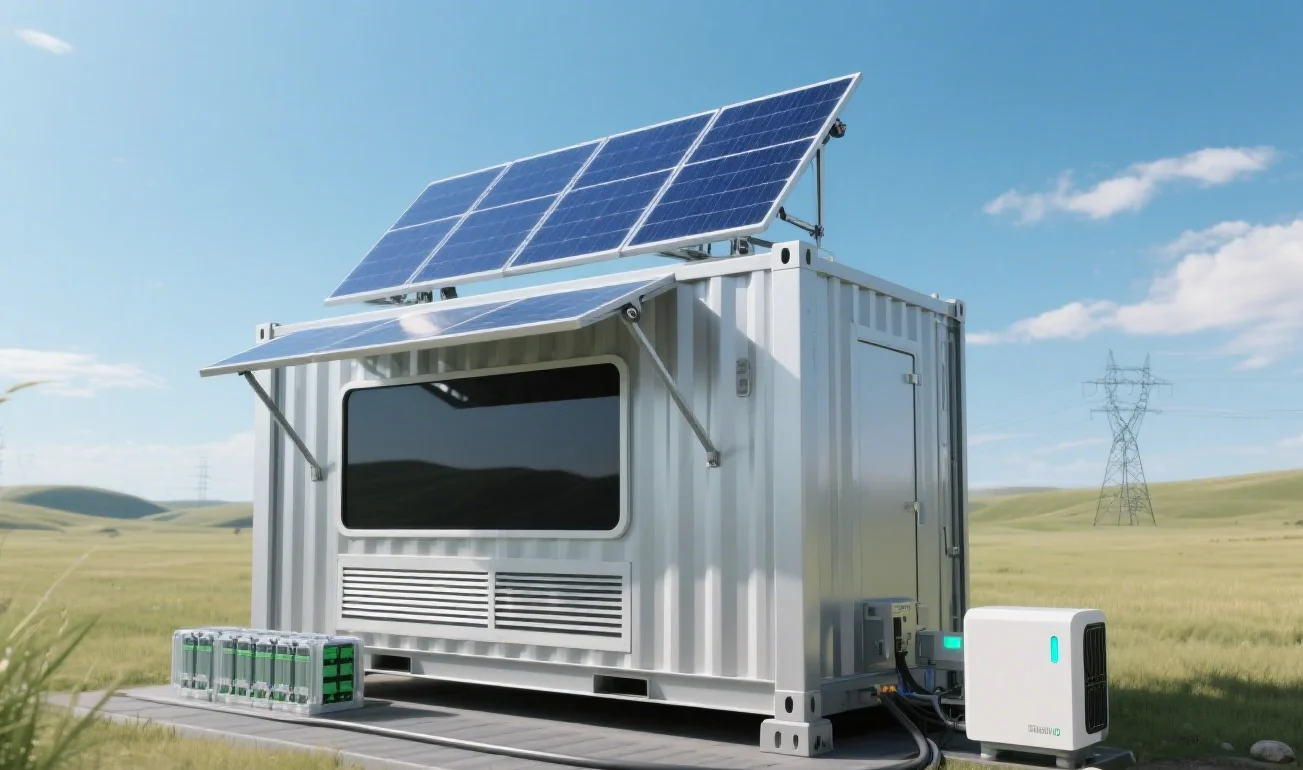
Increased world energy needs mean greater need for off-grid power solutions. Traditional solar systems are high-capacity installations, which renders them inappropriate for mass deployment in hard-to-reach areas. That is where containerized solar solutions enter the picture—small, mobile, and self-contained modules integrating solar panels, batteries, and inverters into a single shipping container. Containerized solar solutions revolutionize the provision of clean electricity to communities, industries, and relief missions.
What Makes Containerized Solar Solutions Unique
In contrast with conventional off-grid systems, containerized solar systems are:
- Pre-assembled and mobile:Ready to be deployed almost anywhere, with installation time and labor saved.
- Weather-resistant and rugged:Designed to withstand harsh conditions, from deserts to floodplains.
- Flexible:Easily scalable to meet increasing energy loads without extreme structural changes (such as foldable models like HJFoldSolar).
These advantages make solar systems in containers ideally applicable to rapid deployment in disaster zones, rural communities, and industrial sites.
Applications Globally
These applications are being implemented in numerous situations:
- Rural electrification:Providing schools, clinics, and homes with reliable power to Africa and Southeast Asia.
- Disaster relief:Rapid deployment to light emergency shelters, medical supplies, and purification units.
- Industrial and construction sites:Operating off-grid with reliable energy without expensive diesel generators.
An example is clear in off-grid regions of Kenya where containerized solar systems replaced high-cost generators for local communities, reducing both fuel costs and emissions.
Trends Propelling Adoption in 2025
There are several drivers propelling the adoption of containerized solar systems:
- Energy self-reliance:Off-grid communities prefer to have standalone energy solutions instead of high-cost grid extension.
- Technological innovation:Lithium-ion storage and high-efficiency panels improve output and reliability.
- Sustainability goals:Governments and businesses lead carbon reduction and adoption of renewable energy.
Experts also predict containerized solar units will increasingly become part of microgrids and urban resilience programs to provide a flexible, decentralized network of power.
Embracing a Sustainable Future
Container-based solar solutions deliver far beyond electricity—more importantly, they enable organizations and communities to thrive regardless of traditional grids. Together with mobility, scalability, and renewable energy, containerized solar solutions are closing the divide for millions with no reliable power and redefining the future of off-grid energy solutions.